
Understanding the Shift in Audience Engagement Through Repeated Media Exposure
Repeated exposure to the same media formats, narratives, or interactive triggers inevitably shapes how an audience responds over time. What once felt novel or exciting gradually becomes familiar, and this process leads to what researchers and industry planners call behavioral normalization. In the context of slot game design, this phenomenon is particularly visible. Players who spin the reels regularly begin to develop predictable patterns in their reactions to bonus triggers, visual effects, and even loss sequences. The initial adrenaline rush from a near-miss or a flashing light display tends to dull after dozens or hundreds of repetitions. This normalization is not a flaw in the game or a sign of player disinterest. Instead, it is a natural psychological adaptation to consistent stimuli. Understanding this shift is essential for anyone involved in content planning or user experience design, as it directly influences how engagement metrics should be interpreted over the long term.
The Psychological Mechanism Behind Normalization
When a person encounters a specific stimulus repeatedly, the brain’s response intensity decreases. This is a well-documented principle in behavioral psychology, often referred to as habituation. In media consumption, habituation means that the same sound effect, visual cue, or reward animation loses its power to surprise or delight after a certain number of repetitions. For slot players, this can manifest as a reduced emotional reaction to a scatter symbol landing or a free spin trigger. The player still recognizes the event, but the physiological arousal is lower. This does not mean the player is bored, but rather that the brain has categorized the event as predictable. Game designers must account for this when planning bonus structures or visual pacing. If the normalization is ignored, the perceived value of in-game events can decline, leading to shorter play sessions or reduced retention.
How Visual Presentation Accelerates Behavioral Normalization
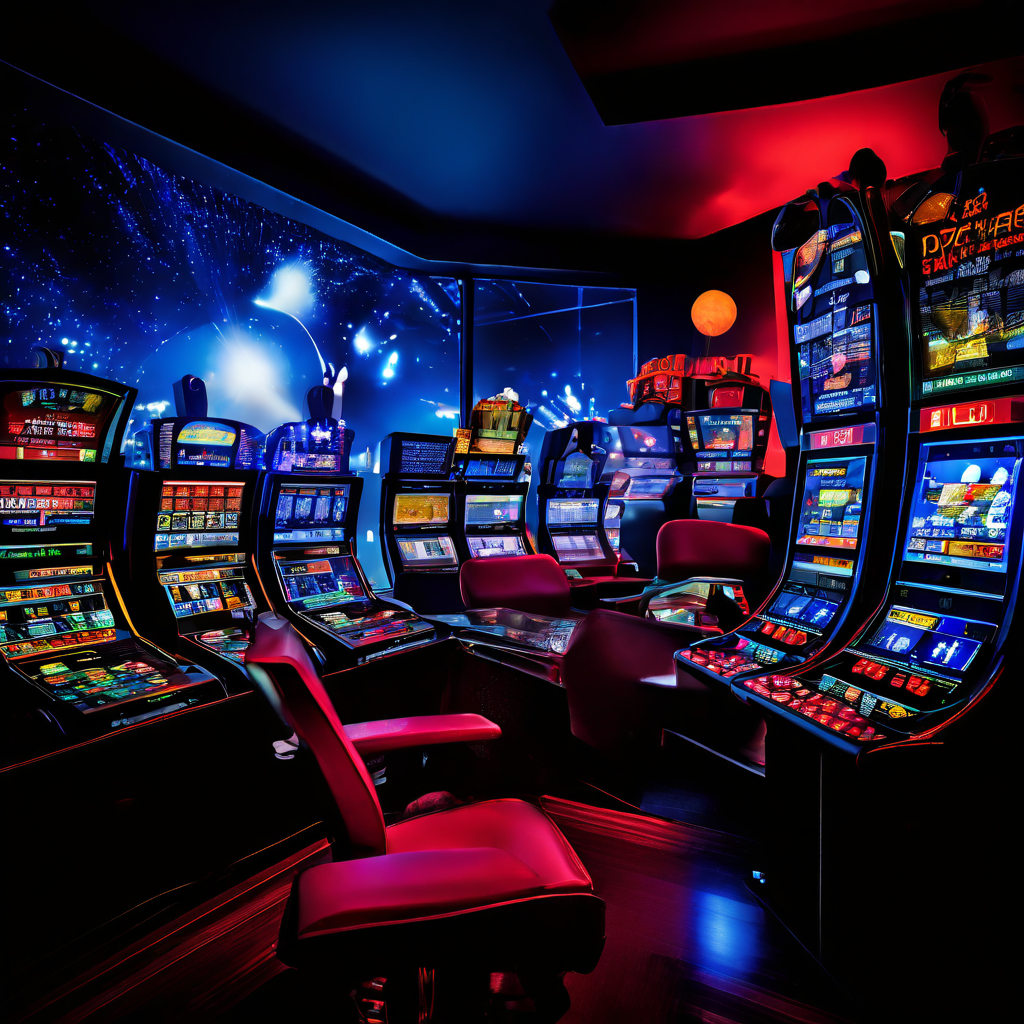
The visual presentation of a slot game plays a significant role in how quickly normalization sets in. Games that rely heavily on the same flashy transitions, identical celebratory animations, or repetitive sound loops tend to exhaust their novelty faster than those with varied feedback systems. When a player sees the same burst of confetti for the fifth time in a single session, the brain begins to filter it out. This is where the developer’s intent becomes critical. A well-designed game introduces subtle variations in visual feedback to keep the player’s attention from drifting. For example, changing the color palette of a win animation or altering the timing of a bonus entry sequence can reset the habituation clock. Do not be fooled by the visual presentation that stimulates user psychology initially. What grabs attention on the first spin may become invisible by the hundredth. The structural design behind the visuals determines whether the game maintains its engagement curve or flattens into monotony.

Analyzing the Relationship Between Volatility and Audience Normalization
Volatility in slot games is often discussed in terms of risk and reward, but it also has a direct connection to how quickly an audience normalizes to the experience. High volatility games, which offer larger but less frequent payouts, tend to slow down the normalization process. Because the player cannot predict when a significant event will occur, each spin retains a degree of uncertainty. This uncertainty keeps the brain engaged, as the reward prediction system remains active. Low volatility games, on the other hand, provide frequent small wins. While this feels satisfying initially, the repetitive nature of small payouts can accelerate habituation. The player quickly learns that most spins will result in a minor credit increase, and the emotional response diminishes. The real reason a game has high volatility is not just about payout size. It is about managing the player’s psychological curve. By spacing out significant events, the game resets the normalization clock repeatedly, extending the period during which the player remains alert and responsive to the content.
Frequency of Trigger Events and Its Impact on Player Perception
Bonus trigger events are the highlight of many slot games, but their frequency must be calibrated carefully. If a bonus round occurs too often, it loses its special status. The player begins to view it as a routine part of the game rather than a reward. This is a classic example of normalization from repeated exposure. If a bonus round occurs too rarely, the player may become frustrated or disengaged during the long dry spells. The sweet spot lies in a frequency that keeps the bonus event feeling attainable but not guaranteed. From a planning perspective, this requires analyzing session data to identify the point at which player response to the trigger starts to decline. The bonus-entry zone the developer intended is a carefully calculated window where the player’s anticipation is high, but the event has not yet become predictable. Adjusting this zone based on player behavior trends is one of the most effective ways to counteract normalization.
Practical Strategies for Content Planners to Address Normalization
Content planners and game designers have several tools at their disposal to manage the effects of normalization. The first and most straightforward is introducing periodic changes to the feedback loop. This does not necessarily mean changing the game’s core mechanics. Small adjustments to the timing of animations, the placement of sound cues, or the frequency of visual variation can be enough to reset the player’s attention. The second strategy involves layering different types of rewards. Instead of relying on a single type of bonus, a game can offer multiple trigger paths, each with its own visual and auditory signature. This variety prevents the brain from fully habituating to any one stimulus. The third strategy is to use progressive elements that evolve over time. For example, a game that increases the visual intensity of a feature as the player approaches a milestone creates a sense of progression that fights against normalization. These approaches work best when combined with ongoing data analysis to track how player behavior shifts across sessions.
Using Data to Identify Normalization Thresholds
Behavioral data is the most reliable tool for identifying when normalization is taking hold. Metrics such as average session length, spin frequency, and reaction time to bonus events can all indicate shifts in player engagement. If the average time a player takes to react to a bonus trigger increases over several sessions, it suggests that the event has become normalized. Similarly, if the number of spins per session declines steadily, the player may be losing interest due to a lack of novelty. Planners should establish baseline metrics for new games and then monitor those metrics over time. When a significant shift is detected, it is time to consider adjustments to the content. The goal is not to eliminate normalization entirely, as that is impossible. The goal is to manage its pace so that the player remains engaged for a longer period before the experience feels routine.

Long-Term Implications for User Retention and Platform Health
The normalization of audience behavior has direct consequences for user retention and the overall health of a gaming platform. Players who have fully normalized to a game’s feedback system are more likely to switch to a different title or platform. This churn can be costly, especially in competitive markets where acquisition costs are high. From a platform perspective, managing normalization means maintaining a portfolio of games that offer different pacing, volatility, and feedback styles. A player who has normalized to one game may find renewed engagement in another that offers a different type of challenge or reward structure. This is where the value of a diverse content library becomes clear. It is not enough to have one highly polished game. The platform must offer a range of experiences that can re-engage players as their tolerance for repetition evolves. The platform structure, with its mix of informational sections and activity-based rewards, can support this by providing additional layers of engagement outside of the core game loop.
The Role of Reward Systems in Countering Normalization
Reward systems that extend beyond the game itself can help mitigate the effects of normalization. When players earn points or unlock content through a platform-wide system, the game becomes part of a larger engagement ecosystem. This means that even if the player has normalized to the in-game feedback, the external reward system still provides a source of novelty and motivation. These systems are most effective when they are transparent and easy to understand. Players should know exactly what actions contribute to their progress and what rewards are available. The key is to ensure that the external reward system does not feel like a separate chore. It should integrate naturally with the gameplay experience, providing a reason to return even when the core game has become familiar. This layered approach to engagement is one of the most sustainable ways to maintain user interest over months and years.
Conclusion: Adapting to the Natural Evolution of Audience Behavior
Audience behavior normalization is not a problem to be solved. It is a natural part of the human response to repeated media exposure. The task for content planners and designers is to understand this process—and the generational perception shifts driven by digital integration of gambling—and work with it rather than against it.
By varying feedback systems, calibrating trigger frequencies, and integrating external reward structures, it is possible to extend the period of active engagement significantly. The most successful games and platforms are those that anticipate normalization and build systems that evolve alongside the player’s changing perception.
In the end, the goal is to create an experience that remains interesting not despite repetition, but because the structure itself is designed to adapt. That is the real challenge and the real opportunity for anyone working in this space.